How to Lower Blood Pressure Naturally, and How Much Each Change Helps
The lifestyle changes that lower blood pressure, how many points each is worth, what home remedies really do, and when a high reading is an emergency.
The short answer
The changes with the best evidence are losing extra weight, eating the DASH way, cutting sodium, getting more potassium from food, exercising most days and drinking less alcohol. In people with high blood pressure, each one lowers the top number by roughly 4 to 8 points, according to the 2025 American Heart Association and American College of Cardiology guideline. They work over weeks, not hours: no food, tea or drink lowers blood pressure quickly.
High blood pressure rarely announces itself. The CDC notes that it usually has no warning signs or symptoms, and that measuring it is the only way to know you have it (CDC). That’s also why “natural” fixes are so tempting: if you can’t feel the problem, it’s easy to believe a tea or a supplement is solving it. Here’s what the evidence actually supports, with the size of each effect, so you can spend your effort where it counts.
First, know your numbers
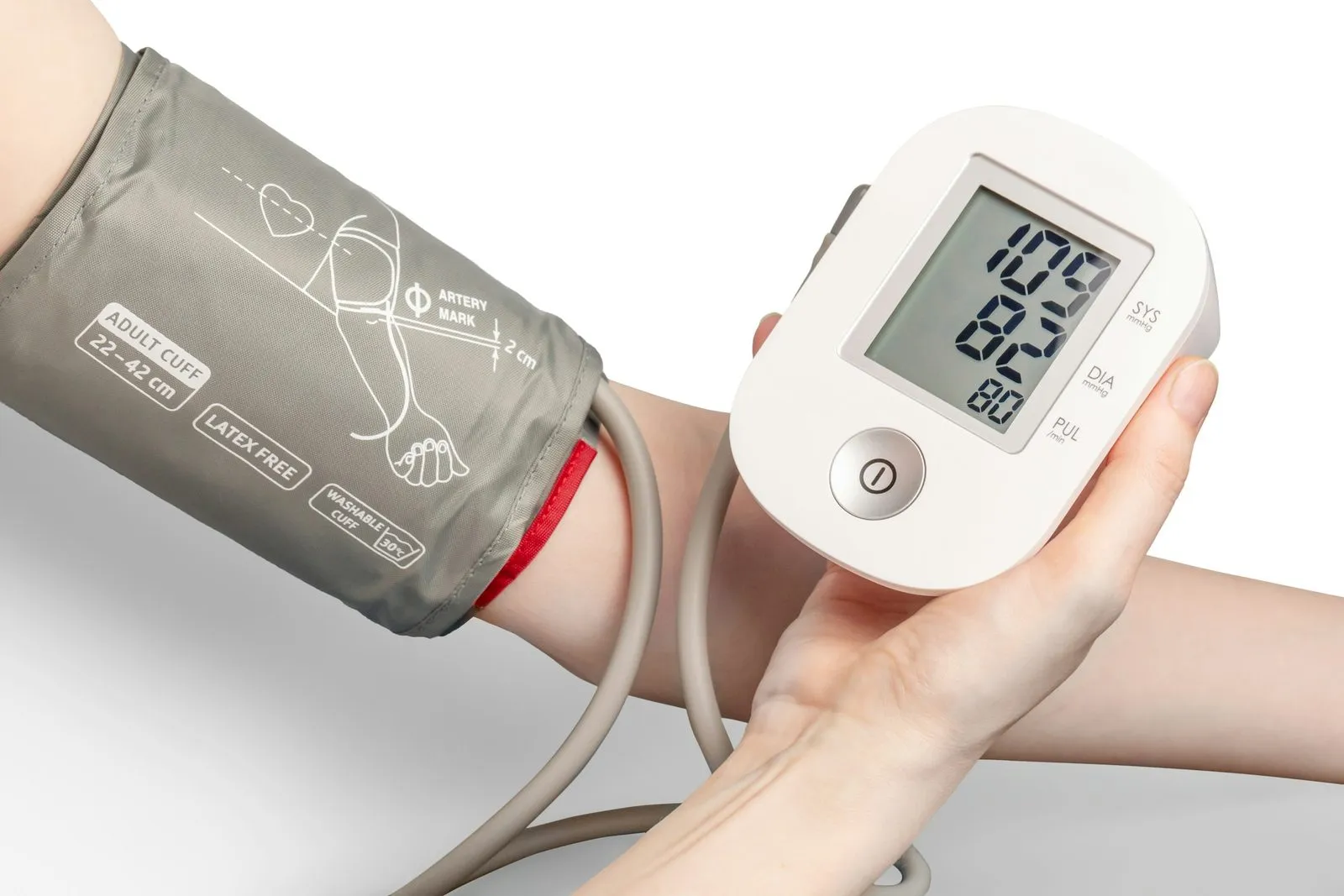
The categories below come from the 2025 American Heart Association and American College of Cardiology (AHA/ACC) guideline, which kept the 2017 numbers (AHA). The first number is systolic (the pressure as your heart beats); the second is diastolic (between beats).
| Category | Top number | Bottom number | |
|---|---|---|---|
| Normal | Below 120 | and | Below 80 |
| Elevated | 120 to 129 | and | Below 80 |
| Stage 1 high blood pressure | 130 to 139 | or | 80 to 89 |
| Stage 2 high blood pressure | 140 or higher | or | 90 or higher |
| Severe: check for symptoms now | Above 180 | and/or | Above 120 |
The CDC puts it simply: high blood pressure is a reading consistently at or above 130/80.
Measure it properly at home
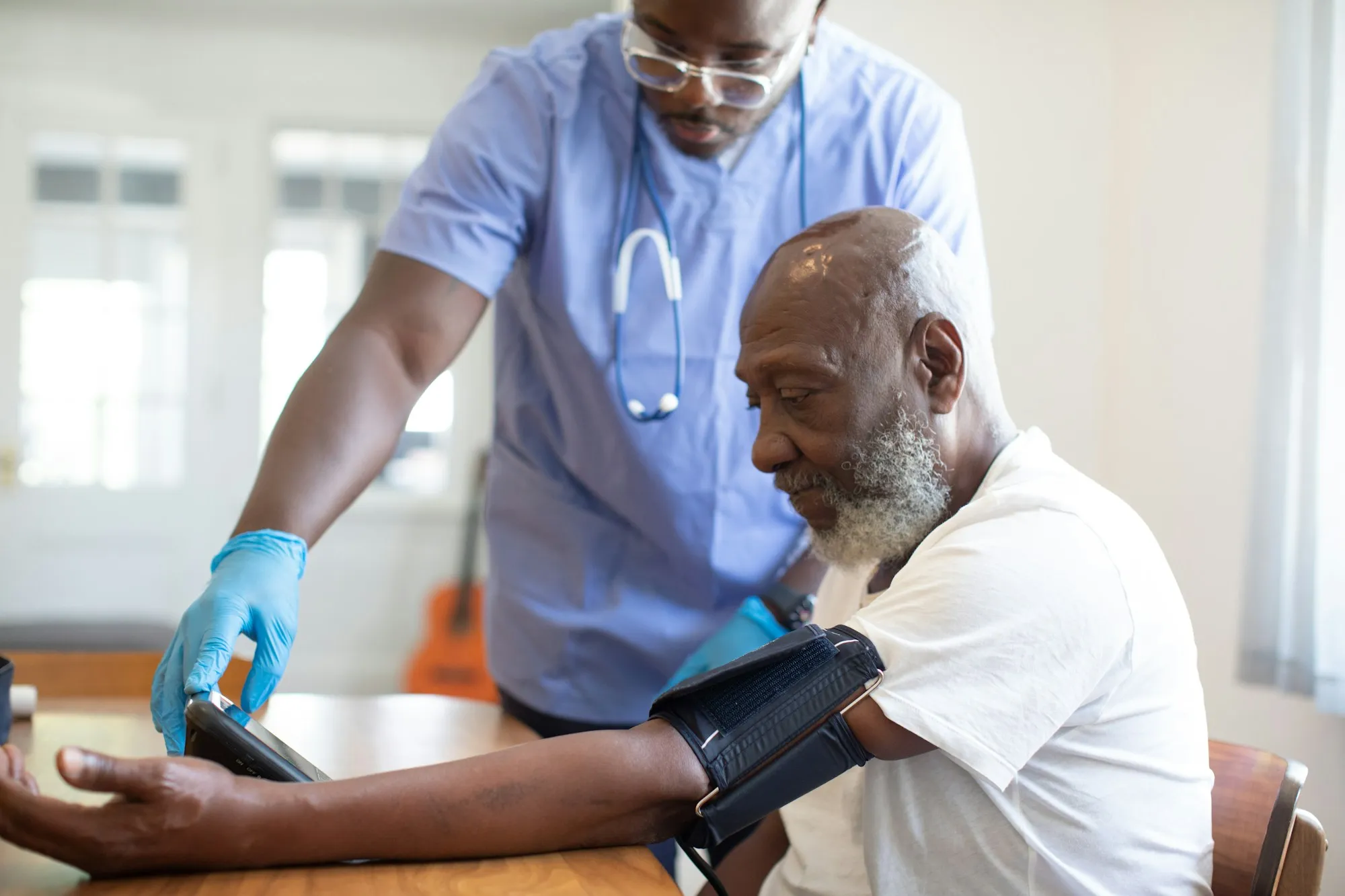
One reading in an exam room isn’t the whole picture. As many as 1 in 3 people who have a high reading at the doctor’s office may have normal readings outside it (CDC), which is why the U.S. Preventive Services Task Force advises confirming high blood pressure with readings taken outside the clinic before treatment starts (USPSTF). For readings you can trust, the CDC’s checklist:
- Don’t eat or drink anything for 30 minutes before, and empty your bladder.
- Sit with your back supported for at least 5 minutes, feet flat and legs uncrossed.
- Rest the arm with the cuff on a table at chest height, and don’t talk during the reading.
- Measure at the same time every day, and take at least two readings, 1 or 2 minutes apart.
- Smoking, alcohol, caffeine or exercise in the previous 30 minutes can push the number up.
Write the readings down and bring them, and your monitor, to your next visit.
The changes that lower blood pressure, and by how much
The 2025 guideline lists the lifestyle changes with the best evidence and the drop each produced in studies of people with high blood pressure (2025 AHA/ACC guideline, Table 12):
| Change | Target | Approximate drop in the top number |
|---|---|---|
| Lose extra weight | At least 5% of your body weight; about 1 point per kilogram (2.2 lb) lost | 6 to 8 points |
| Eat the DASH way | Vegetables, fruit, whole grains and low-fat dairy; less saturated fat | 5 to 8 points |
| Cut sodium | Below 2,300 mg a day, ideally below 1,500 mg | 6 to 8 points |
| Get more potassium | 3,500 to 5,000 mg a day, ideally from food | About 6 points |
| Drink less alcohol | None is best; otherwise no more than 2 drinks a day for men, 1 for women | 4 to 6 points |
| Aerobic exercise | 90 to 150 minutes a week | 4 to 8 points |
| Strength training | 90 to 150 minutes a week | 2 to 7 points |
| Isometric exercise | Handgrip, four 2-minute sets, 3 days a week | 5 to 10 points |
The guideline notes that these figures come from different trials and can’t be compared head to head, but the message is clear: several modest changes add up.
Weight and diet carry the most weight. The DASH eating plan lowers blood pressure, improves cholesterol and helps with weight loss, and the NHLBI reports that cutting sodium to 1,500 mg a day lowers blood pressure even further than 2,300 mg (NHLBI). Most sodium, over 70%, comes from packaged and prepared foods rather than the salt shaker (FDA), so food labels matter more than you’d think.
Potassium needs a caution. One medium banana has about 422 mg, and potassium from vegetables, fruit and beans helps. But people with kidney disease, or who take ACE inhibitors, ARBs or potassium-sparing diuretics, can build up too much potassium even from food, and salt substitutes can contain a lot of potassium (NIH ODS). If that’s you, ask before you change anything.
Movement doesn’t need a gym. Brisk walking counts as aerobic exercise, and the guideline lists isometric exercise, such as squeezing a handgrip, among the options with good evidence.
What about garlic, hibiscus tea, beet juice and other home remedies?
Some have modest evidence, all of it measured over weeks, and none has been shown to work like medicine. In the words of the National Center for Complementary and Integrative Health, “No dietary supplement has been shown to have effects comparable to those of drugs used to treat hypertension” (NCCIH).
| Remedy | What studies found | Caveats |
|---|---|---|
| Garlic supplements | About 9 points lower in people with high blood pressure, over weeks (Ried, 2016) | NCCIH calls the effect small, and garlic supplements can raise bleeding risk with blood thinners (NCCIH) |
| Hibiscus tea | Some pooled analyses report about 7 points lower, but results vary widely between trials | A Cochrane review found the evidence insufficient (Cochrane) |
| Beet juice | About 8 points lower after 4 weeks of a daily glass, in one trial of 68 patients (Kapil, 2015) | Small studies; low-certainty evidence overall |
| Cocoa or dark chocolate | About 2 points overall, about 4 in people with high blood pressure (Cochrane) | The calories and sugar count too |
| Magnesium supplements | Only a marginal drop, according to NIH (ODS) | High doses cause diarrhea |
| Lemon water, celery | No good evidence | |
| Slow breathing | About 5 points, practiced daily for weeks | Helps a little; not a treatment for a crisis |
The NCCIH adds a warning worth repeating: “Don’t replace your prescribed treatment with an unproven product or practice.”
Things that push blood pressure up
Lowering blood pressure is partly about what you stop doing:
- Pain relievers such as ibuprofen (NSAIDs) can raise blood pressure or make existing high blood pressure worse, as the prescription label warns. Ask which pain reliever is safest for you.
- Decongestants such as pseudoephedrine carry a label warning to ask a doctor first if you have high blood pressure.
- Some supplements, including licorice root, bitter orange, ephedra and ginseng, may raise blood pressure, and some interact with blood pressure medicines (NCCIH).
- Grapefruit juice interacts with some blood pressure medicines, such as nifedipine, though not all of them (FDA).
When lifestyle isn’t enough: medicine
For many people, lifestyle changes and medicine work together. The guideline names four first-line kinds of blood pressure medicine: thiazide-type diuretics, calcium channel blockers, ACE inhibitors and ARBs. For stage 2 high blood pressure it prefers starting two of them combined in a single pill, to make them easier to take and to reach the goal faster.
Two rules matter more than which pill you take. First, keep taking it: the FDA’s advice is that once started, the medicine “should be used until your doctor tells you to stop” (FDA). Feeling fine doesn’t mean you no longer need it, since high blood pressure usually has no symptoms either way. Second, don’t double up when a reading is high, and don’t put a pill under your tongue to force it down: the FDA-approved label for nifedipine capsules warns against using them that way, after reports of dangerous drops in blood pressure, heart attacks and deaths (DailyMed). If side effects bother you, talk to your provider, who may change the dose or give you a different medicine (NHLBI).
When a high reading is an emergency
If your reading is higher than 180/120, wait at least a minute and measure again. If it’s still that high and you have chest pain, shortness of breath, back pain, numbness, weakness, a change in vision or difficulty speaking, call 911. If you have none of those symptoms, contact your provider as soon as possible (AHA). The NHLBI adds a sudden, severe headache to the list, and says: “Do not wait to see if your pressure comes down on its own” (NHLBI).
Blood pressure care at Ambert
Blood pressure is a large part of everyday primary care. At Ambert it’s managed alongside diabetes and thyroid care in chronic disease management, at both the Miami Lakes and Kendall offices. If weight is part of the picture, see medical weight loss and nutrition counseling; if your provider wants to look at your heart, see EKG testing.
Bring your home readings and your monitor to your visit. Call the Miami Lakes or Kendall office, or start with the new patient guide. ¿Prefiere leer en español? Lea qué tomar para bajar la presión arterial rápido.
Common questions
-
Can dehydration cause high blood pressure?
There's no good evidence that it does. Health agencies describe dehydration as a cause of low blood pressure, not high. The National Heart, Lung, and Blood Institute lists dehydration among the causes of low blood pressure, and MedlinePlus lists dizziness among its symptoms. The idea that being short of water raises blood pressure is a hypothesis that hasn't been proven.
-
Can drinking water lower blood pressure?
Drinking enough water is good for you, but there's no evidence that drinking more of it lowers blood pressure in adults. If your readings are high, the changes with real evidence are the ones in this article, and your medicine if you've been prescribed one.
-
Does aspirin lower blood pressure?
No. Aspirin isn't a blood pressure medicine, and a 2024 review of studies in people with high blood pressure found it didn't change their readings. Don't start daily aspirin on your own. The U.S. Preventive Services Task Force recommends against starting it to prevent a first heart attack or stroke at age 60 or older, and calls it an individual decision for some adults aged 40 to 59. Painkillers such as ibuprofen can raise blood pressure.
-
What is the best time of day to take blood pressure medicine?
Whenever you'll remember it every day. Two large trials, TIME in the United Kingdom with more than 21,000 people and BedMed in Canada with more than 3,000, found no difference in heart attacks, strokes or deaths between morning and bedtime doses. Follow your prescriber's instructions, and ask before you change your timing.
-
How long does it take to lower blood pressure naturally?
Weeks to months. The landmark DASH diet trials measured their results after about eight weeks, and some adults with stage 1 high blood pressure are given three to six months of lifestyle changes before medicine is considered. Prescribed blood pressure medicines usually start to work within days.
-
How do I lower the bottom number?
With the same changes. The bottom (diastolic) number counts too, since 80 to 89 alone is stage 1 high blood pressure, but there's no separate diet or exercise plan for it. The measures in this article lower both numbers, usually the bottom one by a little less.