

The short answer
Ambert Medical Care Center treats asthma and COPD at its offices in Miami Lakes and Kendall as part of primary care. That means finding the cause of your symptoms, prescribing and adjusting inhalers, writing an asthma action plan, and testing for the allergies that often drive asthma. Asthma affects about 1 in 12 Americans. COPD is confirmed with a breathing test called spirometry, which your provider can arrange.
Breathing problems are common, and treatable
In 2023, 27.8 million people in the United States had asthma, about 1 in 12, including 4.8 million children. In Florida, 8.5% of adults have it (CDC). COPD is a group of lung diseases that get worse over time, mainly emphysema and chronic bronchitis (CDC), and chronic lower respiratory diseases, mostly COPD, were the fifth leading cause of death in the U.S. in 2024 (CDC).
Neither should simply be lived with. There’s no routine screening for COPD (NHLBI), so the way it gets found is someone mentioning the cough, the wheeze or the stairs that got harder. Mention it at your next primary care visit, or book one for it.
Asthma or COPD?
| Asthma | COPD | |
|---|---|---|
| What it is | A long-term condition of the airways in the lungs | Lung diseases that get worse over time, mainly emphysema and chronic bronchitis |
| Common causes and triggers | Often allergic: dust mites, mold, pet dander, pollen; also exercise and cold air | Smoking is the main cause; also secondhand smoke, breathing hazards at work or in the air, family history, and asthma |
| Typical symptoms | Wheezing, coughing at night or early morning, shortness of breath, chest tightness | Frequent cough or wheeze, shortness of breath with everyday activities, extra mucus |
| How it’s diagnosed | Your history, an exam and lung function tests such as spirometry | Spirometry, the main test, which can find COPD before symptoms are noticed |
| Treatment basics | Quick-relief and daily controller medicines, and a written action plan | Quitting smoking, inhaled medicines and pulmonary rehabilitation |
Sources: NHLBI on asthma and COPD; CDC on COPD. Three out of four people with COPD smoke or used to smoke (NHLBI).
Asthma: what good control looks like
Asthma medicines come in two main kinds. Quick-relief medicines ease symptoms during an attack; controller medicines, taken daily, help prevent attacks (NHLBI). Everyone with asthma needs their own asthma action plan (CDC): a written plan listing your triggers, which medicines to take and when, how to recognize an attack, and when to call for help or go to the emergency room (NHLBI). Ask for yours at your visit; it can be written in English or Spanish.
Control is measured, not guessed. Under the national asthma guidelines, well-controlled asthma in people 12 and older means symptoms and quick-relief inhaler use on no more than 2 days a week, and waking at night from asthma no more than twice a month (NAEPP). Night-time symptoms aren’t a separate kind of asthma, but a sign that it isn’t well controlled (NHLBI).
Inhaler technique matters
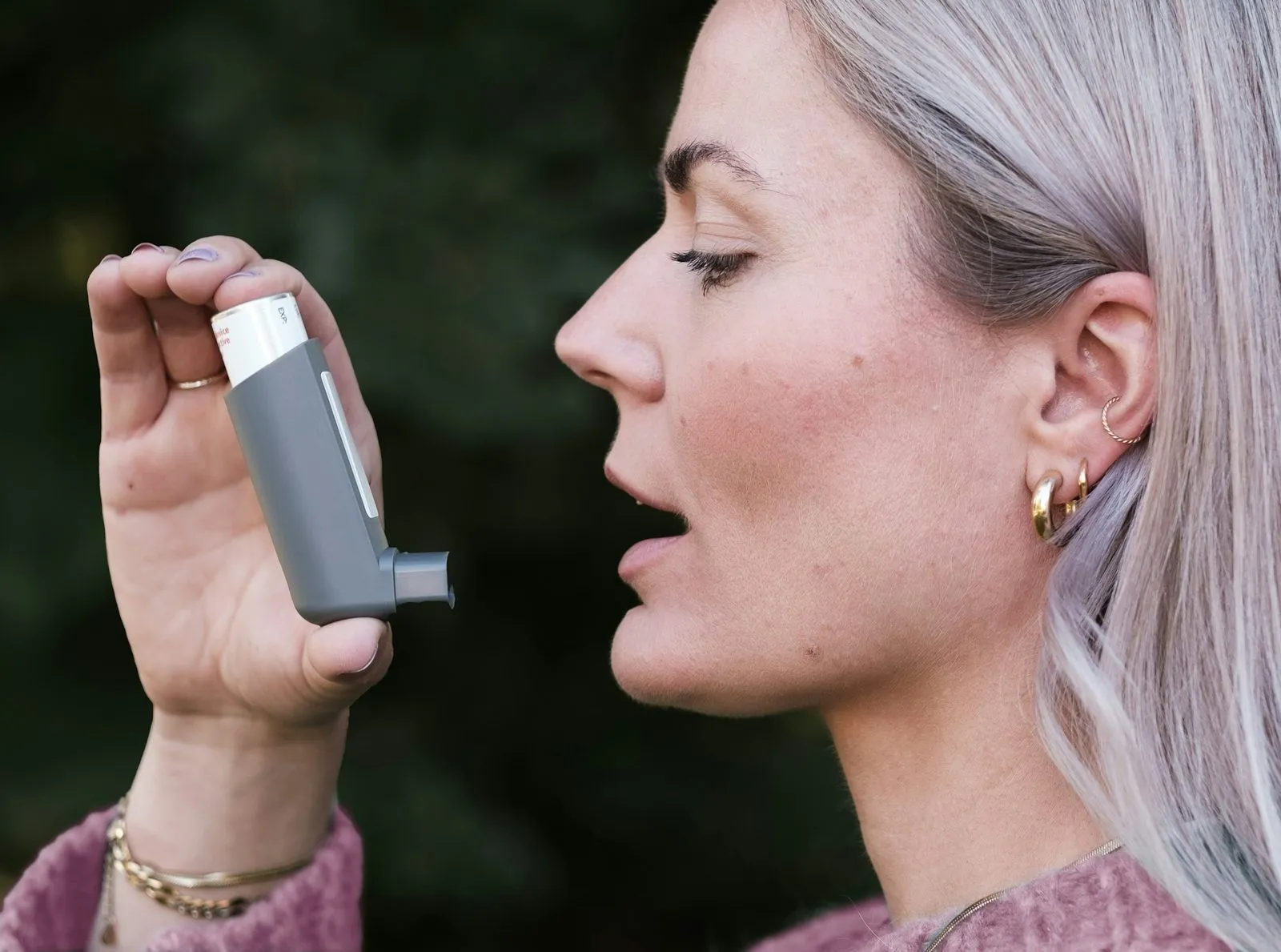
An inhaler only works if the medicine reaches your lungs, and that’s harder than it looks. Many people have problems loading their inhaler, breathing in correctly or cleaning it, and not all inhalers are used the same way (NHLBI). In a large review of studies in which trained staff watched patients, only about 1 in 3 used fully correct technique (Chest, 2016). Bring your inhaler to your visit, so your provider can watch you use it and fix what’s slipping.
COPD: slowing it down
For people who smoke, quitting is the most important step to slow COPD down (NHLBI); it reduces the loss of lung function over time (CDC). Pulmonary rehabilitation, a supervised program that helps people with lung disease live and breathe better, usually runs 2 or 3 sessions a week for several weeks or months (NHLBI), and Medicare covers it for moderate to very severe COPD (Medicare.gov). Infections can trigger flare-ups (NHLBI), and vaccines help prevent them: the CDC lists COVID-19, flu and pneumococcal vaccines for people with COPD (CDC), and recommends a flu vaccine every season for nearly everyone 6 months and older (CDC). Ask which ones you’re due for.
A cough that won’t go away
A cough that lasts 8 weeks or longer is chronic. It can come from allergies, sinus infections, asthma, acid reflux (GERD), or years of smoking or breathing secondhand smoke (NCI). Asthma doesn’t always wheeze; a cough can be its main sign, especially in young children (NAEPP). And one cause hides in the medicine cabinet: ACE inhibitors, a common kind of blood pressure medicine, can cause a persistent dry cough that goes away when the medicine is stopped (FDA label). Bring your medicine list, and don’t stop anything on your own.
Allergies, mold and Miami’s humidity
Asthma is usually a type of allergic reaction, set off by dust mites, mold, pet dander and pollen (NHLBI). Mold can trigger an asthma attack whether or not you’re allergic to it; the CDC advises keeping indoor humidity under 50%, drying damp things within 24 to 48 hours, and watching air quality forecasts (CDC). When the Air Quality Index is above 100, the air is unhealthy, first for sensitive groups and then for everyone as the number climbs (AirNow).
Allergy testing is done in the same office, so an allergic trigger can be confirmed without a separate referral. For people 5 and older whose asthma worsens around allergens they’ve tested positive for, allergy shots are recommended as an added treatment, though not for severe asthma (NHLBI). For more, read what to expect at an allergy skin test.
Free help to quit smoking
Quitting is hard, and you don’t have to do it alone or pay for help. The national quitline, 1-800-QUIT-NOW (1-855-DÉJELO-YA in Spanish), offers free coaching (CDC). Tobacco Free Florida adds free coaching by phone, text, chat or in groups, and free nicotine patches, gum or lozenges for adults when they’re medically appropriate (Tobacco Free Florida). The FDA has approved seven quit-smoking medicines: five nicotine replacement products and two pills, bupropion and varenicline (CDC). Your provider can help you choose, and Medicare covers up to 8 counseling sessions a year (Medicare.gov).
Breathing care is done at both the Miami Lakes and Kendall offices. If you’re having trouble breathing today, come in for a same-day visit. Severe trouble breathing is an emergency: call 911. New patients can start with the new patient guide, and the Medicare guide covers what Medicare pays for.
What this includes
- Asthma care with a written asthma action plan
- COPD care, including help to quit smoking
- Inhaler technique, checked at your visits
- Allergy testing in the same office
- A cough that won't go away, worked up step by step
- Referral to lung specialists and tests when you need them
Pulmonology at either office
- 15495 Eagle Nest Ln Ste 100
Miami Lakes, FL 33014Mon–Fri 8–5 · Sat 7:30–2
- 10621 N Kendall Dr Suite 101
Miami, FL 33176Mon–Fri 8–5 · Sat 8–2
Close to HialeahHialeah GardensMiami GardensOpa-lockaMedleyWest KendallThe HammocksKendall LakesPinecrestSouth Miami
Common questions
-
What are the symptoms of asthma?
Wheezing (a whistling sound when you breathe out), coughing, especially at night or early in the morning, shortness of breath and chest tightness. Symptoms are often set off by exercise, allergies, cold air, or laughing or crying hard, and they're often worse at night or in the morning. In some people, especially young children, a lingering cough can be the main or only symptom.
-
How do I know if my asthma is well controlled?
Under the national asthma guidelines, for people 12 and older, well-controlled asthma means symptoms on no more than 2 days a week, waking at night no more than twice a month, no limits on normal activity, and using a quick-relief inhaler no more than 2 days a week (not counting before exercise). If you're past those limits, tell your provider; your treatment may need to change.
-
My cough has lasted two months. What could it be?
A cough that lasts 8 weeks or longer is called chronic. Common causes include allergies, sinus infections, asthma, acid reflux (GERD) and smoking or secondhand smoke. Some blood pressure medicines, called ACE inhibitors, can cause a dry cough that goes away when the medicine is stopped, but don't stop a medicine on your own; ask your provider.
-
Can allergies make asthma worse?
Yes. Asthma is often a type of allergic reaction, set off by dust mites, mold, pet dander or pollen. For people 5 and older whose asthma gets worse around allergens they've tested positive for, allergy shots are recommended as an added treatment, though not when asthma is severe.
-
How can I get free help to quit smoking?
Call 1-800-QUIT-NOW (1-800-784-8669), or 1-855-DÉJELO-YA (1-855-335-3569) in Spanish, for free coaching. Tobacco Free Florida offers free coaching by phone, text, chat or in groups, and free nicotine patches, gum or lozenges if they're medically appropriate and you're 18 or older. Medicare covers up to 8 quit-smoking counseling sessions a year.
-
Should I be screened for lung cancer?
If you're 50 to 80, have smoked at least 20 pack-years, and still smoke or quit within the past 15 years, the U.S. Preventive Services Task Force recommends a yearly low-dose CT scan. Medicare covers it from 50 to 77, with your provider's order and a visit first to talk through the benefits and risks.