When to Go to Urgent Care, the ER or a Walk-In Visit
Chest pain or stroke signs mean 911. A fever or sore throat can be seen the same day. How to choose the ER, urgent care or a walk-in visit, and what each costs.
The short answer
Call 911 or go to the emergency room for chest pain, trouble breathing, stroke signs, a severe allergic reaction, uncontrolled bleeding or sudden, severe pain. For a fever, sore throat, earache, urinary symptoms or a stomach bug you can manage, urgent care or a same-day walk-in visit at your doctor's office is the right level of care, and in a national analysis an average ER visit cost about ten times as much. If you're stable and it can wait a day, call your doctor's office.
You wake up feeling awful, or someone you love does, and you have to decide where to go. Pick too low and a real emergency waits; pick too high and you spend hours and a lot of money on something a same-day visit could have handled. Here’s a practical way to decide, with what each option is for and what it typically costs.
Call 911 or go to the ER for these
Some symptoms need an emergency room, and some need an ambulance on the way to one:
- Chest pain, heaviness or discomfort, especially with shortness of breath, sweating, nausea, light-headedness or pain in the arms, back, neck or jaw. The NHLBI says to call 911 “even if you are not sure that you’re having a heart attack,” and not to drive yourself (NHLBI).
- Signs of a stroke. The CDC’s B.E. F.A.S.T. check: loss of balance, eye or vision changes, a drooping face, an arm that drifts down, slurred or strange speech. If you see any of them, it’s time to call 911. Note when the symptoms started, because it helps doctors choose the treatment (CDC).
- A severe allergic reaction: throat tightness or swelling, trouble swallowing, wheezing, shortness of breath, a weak pulse or passing out. Call 911, and use an epinephrine auto-injector right away if one is available (MedlinePlus).
- Breathing that’s very hard, including an asthma attack your medicines aren’t relieving (NHLBI).
- Uncontrolled bleeding, a head or spine injury, fainting, confusion, choking, coughing or vomiting blood, or any sudden or severe pain, all on the American College of Emergency Physicians’ list of warning signs (ACEP).
- Thoughts of suicide: call or text 988, the Suicide & Crisis Lifeline, any time. It answers in English and Spanish (SAMHSA). If a suicide attempt is in progress, call 911.
- A possible poisoning: call Poison Help at 1-800-222-1222, and call 911 if the person isn’t breathing (HRSA).
ACEP is clear that urgent care centers “are not a substitute for emergency care” (ACEP), and neither is a walk-in visit at a doctor’s office. When in doubt with these symptoms, call 911.
Urgent care, the ER or your own doctor: what’s the difference
The emergency room is for emergencies: a condition so serious that waiting could cause severe harm. It’s open around the clock, and it treats the sickest people first.
Urgent care is, in HealthCare.gov’s words, for “an illness, injury or condition serious enough that a reasonable person would seek care right away, but not so severe it requires emergency room care” (HealthCare.gov). The CDC describes urgent care centers as freestanding clinics built for injuries and illnesses that aren’t life-threatening, and retail clinics as smaller clinics inside pharmacies and stores, usually staffed by nurse practitioners or physician assistants. In 2024, 27.6% of Americans used an urgent care center and 19.0% used a retail clinic (CDC).
Your own doctor’s office is where your records are. Many offices, including ours, take same-day or walk-in visits for the same everyday illnesses people bring to urgent care.
Here’s how the three compare on price, for people with employer health insurance in 2022 (HCCI):
| Average visit price | A urinary tract infection visit | You paid for that visit | |
|---|---|---|---|
| Primary care office | About $224 | About $167 | About $61 |
| Urgent care | About $220 | About $218 | About $83 |
| Emergency room | About $2,256 | About $2,511 | About $545 |
The Health Care Cost Institute notes that patients in each setting can differ in how sick they are, so the gap isn’t all price. Still, a study in Health Affairs estimated that 13.7% to 27.1% of emergency room visits could have been handled at an urgent care center or a retail clinic (Weinick et al., 2010).
Waits run the other way from what many people expect. In 2022, the median wait to see a clinician in U.S. emergency rooms was 16 minutes, but 6.4% of visits waited two hours or more (CDC). Because the sickest patients go first, a CMS guide warns that you may wait several hours if your problem isn’t an emergency (CMS).
When urgent care or a walk-in visit is the right call
Most of what wakes people up sick belongs here:
- Fever, cough, congestion, sinus pressure or an earache
- A sore throat, especially if strep is possible
- Burning when you urinate, or needing to go often
- Vomiting or diarrhea when you can still keep some fluids down
- A new rash, or a flare-up of asthma or allergies that isn’t severe
- A minor injury, such as a sprain or a small cut (call ahead to check what the clinic can treat)
The CDC’s flu guidance puts it simply: the emergency room is for people who are very sick, not for people who are mildly ill (CDC). With the flu, get care right away for difficulty breathing, persistent chest or belly pain or pressure, or persistent dizziness or confusion (CDC).
Why your own doctor’s office is often the best first stop
Urgent care is fast and convenient, but a CMS guide notes that it usually carries a higher copay than a provider’s office, and that you may not see the same provider each time (CMS). The American Academy of Family Physicians makes a related point about retail clinics: they work best for short, minor illnesses, and shouldn’t replace an ongoing relationship with a primary care doctor (AAFP).
A walk-in visit at your own practice combines the two: you’re seen the same day, by someone who can see your medicines, allergies and past results, and who can follow up if you’re not better in a few days.
Your rights in an emergency
- Insurance can’t stall emergency care. Health plans can’t require prior approval before you get emergency room care, even at a hospital outside your network (HealthCare.gov).
- No surprise emergency bills from out-of-network hospitals. If your insurance covers emergency care, the hospital and its doctors can’t charge you more than your in-network cost-sharing. Ground ambulances aren’t covered by these federal protections yet (CMS).
- No turning people away. A hospital emergency department must offer a medical screening exam “even if you don’t have insurance” (CMS), and Florida law bars basing emergency care on insurance status or ability to pay (s. 395.1041).
- Florida urgent care centers post their prices. State law requires them to post the self-pay prices for at least their 50 most frequent services (s. 395.107), which helps if you’re paying cash.
Walk-in visits at Ambert
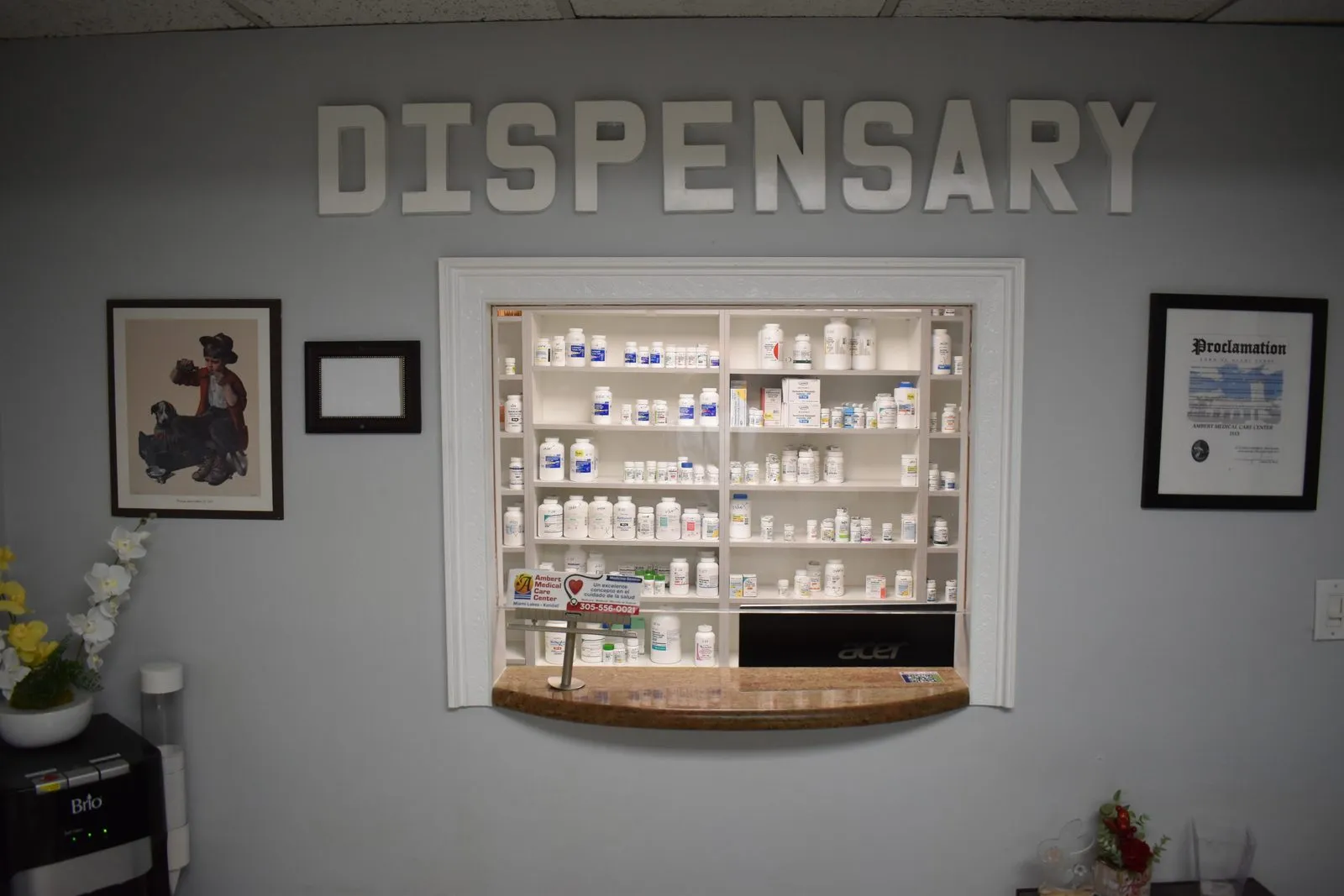
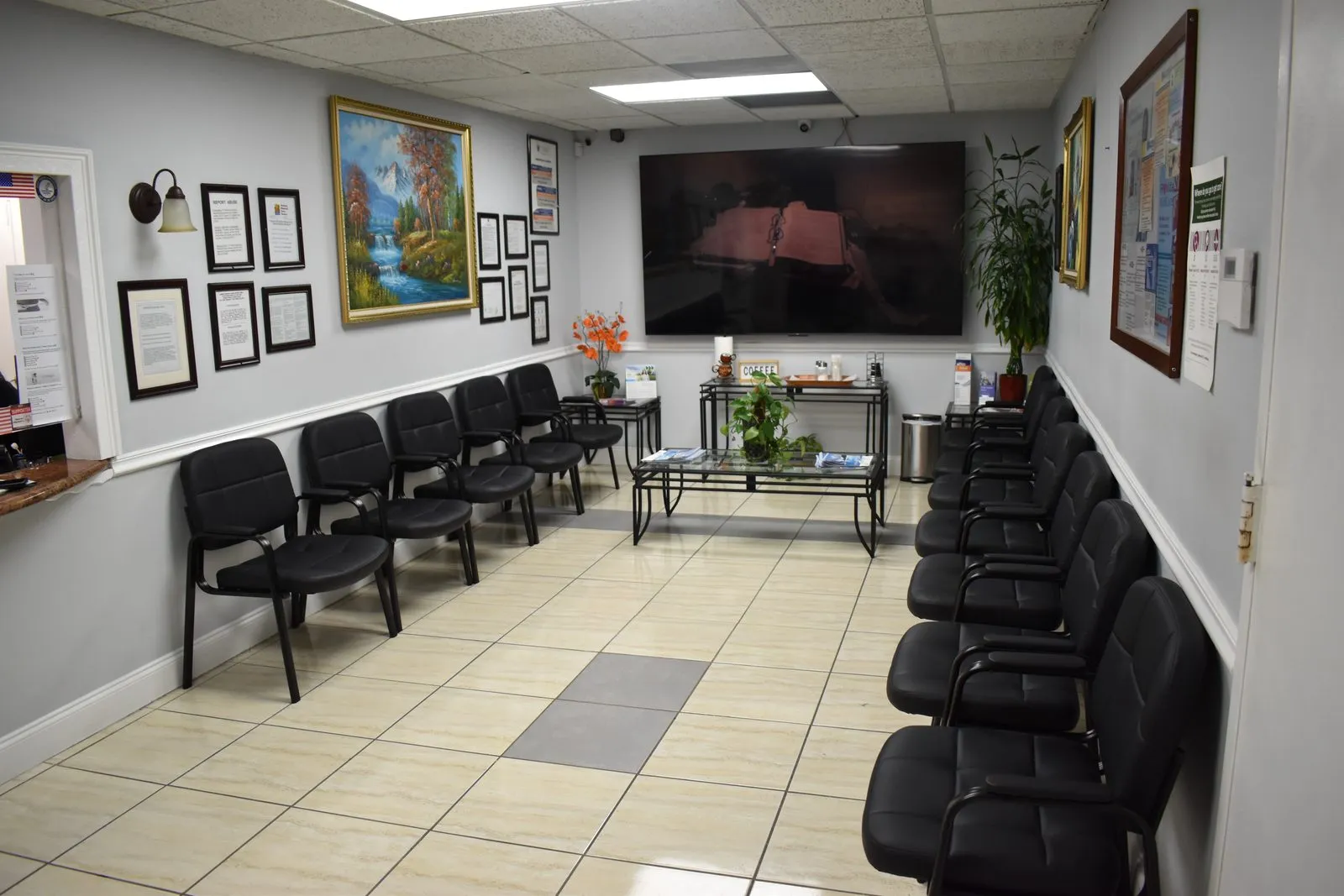
Ambert Medical Care Center is a primary care practice that welcomes walk-ins; it isn’t an urgent care center. Both offices see walk-ins for same-day sick visits, Monday to Friday from 8 am to 5 pm and on Saturday mornings: the Miami Lakes office from 7:30 am to 2 pm, and the Kendall office from 8 am to 2 pm. You don’t need an appointment, and calling ahead lets the office check you in.
You’ll be seen by one of the practice’s five providers, all of whom speak English and Spanish. See walk-in and same-day sick visits for what a visit includes, blood work and lab tests for testing, and primary care if you’d like to stay with the practice afterward. New patients can start with the new patient guide, and the insurance page covers the plans the practice accepts.
Common questions
-
Is urgent care cheaper than the ER?
Usually, by a wide margin. In a 2026 Health Care Cost Institute analysis of people with employer insurance, an urgent care visit averaged about $220 and an emergency room visit about $2,256. For a urinary tract infection, patients paid about $83 out of pocket at urgent care, $61 at a primary care office and $545 at the ER. Prices vary by plan and place, and the ER's patients are often sicker.
-
When should you not go to the emergency room?
When the problem is real but not dangerous, such as a cold, the flu without warning signs, a sore throat, an earache or a urinary infection. The CDC's flu guidance says the emergency room is for people who are very sick, not mildly ill. Your doctor's office or urgent care can usually see you sooner and for less. But never skip the ER for chest pain, trouble breathing, stroke signs or a severe allergic reaction.
-
Can the ER turn you away if you don't have insurance?
No. Under a federal law known as EMTALA, a hospital emergency department must offer you a medical screening exam even if you don't have insurance, and Florida law says emergency care can't depend on your insurance or ability to pay. That doesn't make it free, though; you can still be billed afterward.
-
Do I need to call my insurance before going to the ER?
No. Health plans can't require prior approval before you get emergency room care, even at a hospital outside your plan's network. If it's an emergency, go to the nearest hospital that can help you.
-
Is a walk-in clinic the same as urgent care?
Not exactly. Urgent care centers are stand-alone clinics built for injuries and illnesses that aren't life-threatening. Retail clinics sit inside pharmacies or stores and are usually staffed by nurse practitioners or physician assistants. A third option is a doctor's office that takes walk-ins, where you're seen by a practice that keeps your records and can follow up.