When Is Allergy Season in Florida? A Guide for South Florida
Florida's pollen seasons run longer than most. When tree, grass and weed pollen peak in South Florida, why mold and dust mites last all year, and what helps.
The short answer
In South Florida, allergy season never fully ends. Tree pollen, mostly oak, peaks from February to May. Grass pollen runs from spring through fall, and Bermudagrass can pollinate year-round. Ragweed and other weeds peak from about July to November. Mold rises with the rainy season, roughly mid-May to mid-October, and dust mites last all year. The biggest wave is the spring tree season.
If you moved to South Florida expecting a short spring allergy season, you’ve probably been surprised. Florida’s pollen seasons are more frequent and longer than in most of the country (UF/IFAS), and the humidity keeps indoor triggers going all year. Here’s when each kind of allergen tends to peak in South Florida, and what you can do about it.
The short version: Florida’s pollen calendar
| When | What’s in the air in South Florida |
|---|---|
| December to January | Tree pollen starts; oak counts can climb as early as December |
| February to May | The peak of tree season, mostly oak: South Florida’s biggest wave |
| April to October | Most grass pollen, though Bermudagrass can pollinate all year |
| Mid-May to mid-October | The rainy season: storms knock pollen down, while humidity feeds mold |
| July to November | Ragweed and other weeds |
| All year | Dust mites, mold and Bermudagrass |
Sources: UF/IFAS (pollen, 2026 season, ragweed), the National Weather Service in Miami (rainy season) and an aerobiology study from Tampa that is older but still the best monthly data for Florida (Tampa study). Treat the months as a guide, not a rule: there is no official pollen calendar for Miami, and Florida researchers note that the state doesn’t follow the national “trees in spring, grass in summer, weeds in fall” pattern (Phillips et al.).
Trees: the big spring wave
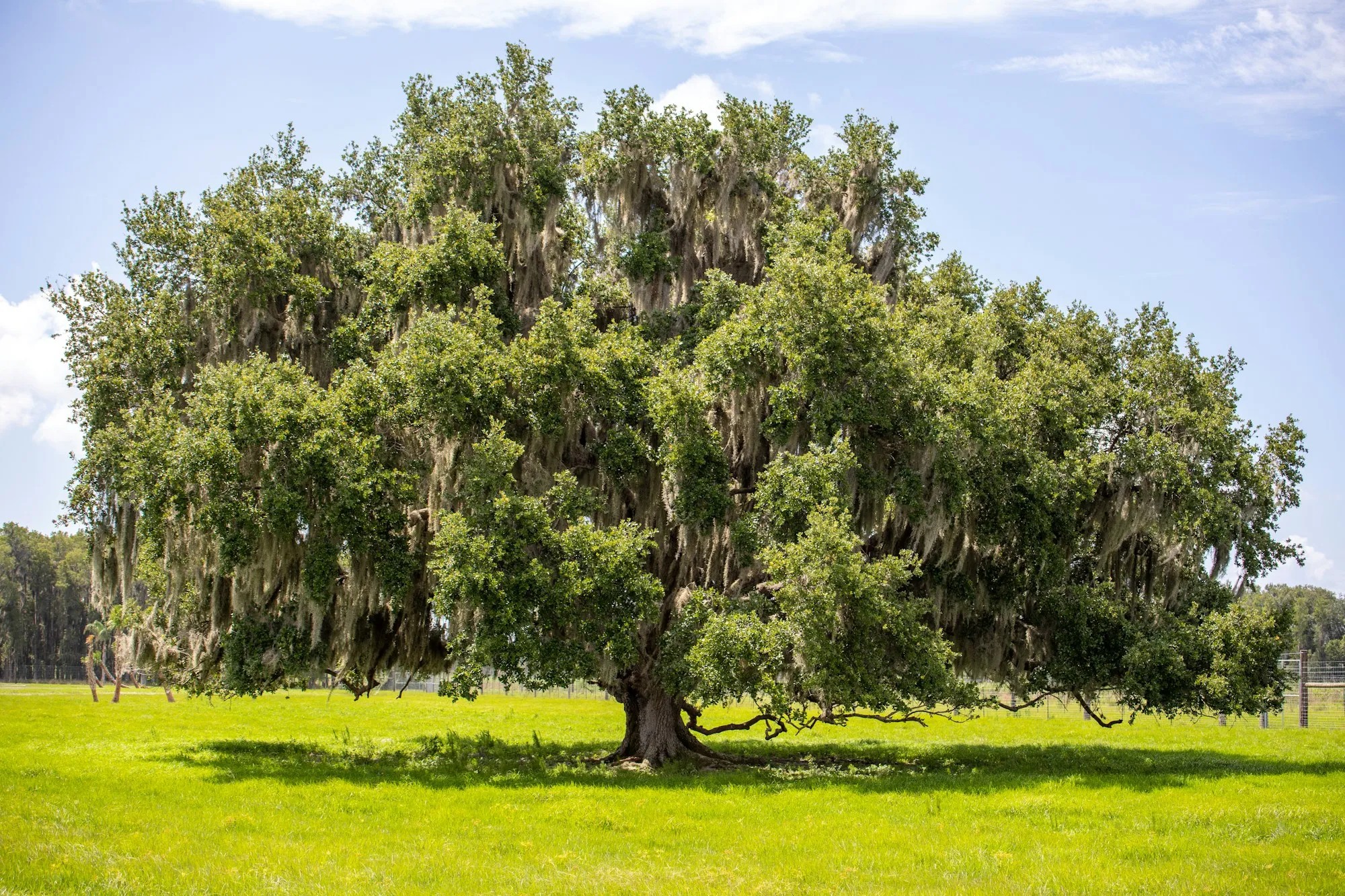
Trees produce about 80% of Florida’s airborne pollen, and oak is one of the most allergenic (UF/IFAS). Florida’s pollen season peaks from January to June: it starts in North Florida and moves south, peaking in South Florida from February to May (UF/IFAS News). Other common, highly allergenic trees include eastern red cedar, bald cypress, wax myrtle and the invasive Australian pine.
Grasses: spring through fall, and longer down here
Bahiagrass is Florida’s most abundant grass and ranks high among allergenic plants, and Bermudagrass can pollinate year-round in the subtropical parts of the state (UF/IFAS). In warmer places, pollination can go on year-round (AAAAI).
In the Tampa study, grass pollen showed up all year and was most common from April to October (Tampa study). A UF/IFAS extension agent describes pollen tapering off in early summer, then grasses ramping it back up, and notes that South Florida’s frequent thunderstorms help suppress pollen (UF/IFAS News).
Weeds and ragweed: the fall wave
Ragweed is the most important allergy weed in Florida, while goldenrod is wrongly blamed (UF/IFAS). Its peak season runs from July to November (UF/IFAS), and it grows wild in Miami-Dade and Broward (Atlas of Florida Plants). The Tampa study also found a minor fall tree season, from Australian pine and elm, in October and November (Tampa study).
Mold and dust mites: the all-year triggers
Pollen isn’t the only reason allergies seem never to end here. The CDC notes that mold “will grow where there is moisture, such as around leaks in roofs, windows, or pipes, or where there has been a flood,” and advises keeping indoor humidity “no higher than 50%” (CDC). Outdoor mold spores can be found year-round in the South (AAAAI).
Dust mites thrive in warm, humid places such as bedding, upholstered furniture and carpet (AAAAI). In a climate like Miami’s, that makes them a year-round problem for people who are sensitive to them.
Is it allergies or something else?
Allergies are common: in 2024, about one in four U.S. adults (25.2%) had a diagnosed seasonal allergy (CDC). But a stuffy, runny nose isn’t always an allergy. The AAAAI notes that at least one in three people with nasal symptoms don’t have allergies at all (AAAAI). If your symptoms follow the seasons, or never stop, an allergy test is the way to find out what you’re reacting to, instead of guessing.
What helps during allergy season
The first step is knowing what you’re actually allergic to, because the answer changes what helps. MedlinePlus sums up the options: “Treatments include medicines, allergy shots, and avoiding the substances that cause the reactions” (MedlinePlus).
- Bring indoor humidity down. The CDC advises keeping it no higher than 50%, and fixing leaks quickly, to limit mold (CDC). Lower humidity also makes life harder for dust mites.
- Use medicine for the bad weeks. Antihistamines and steroid nasal sprays treat symptoms while you take them.
- Consider allergy shots if it’s most of the year. The AAAAI notes that shots may be recommended when symptoms continue or last many months of the year (AAAAI). Allergy tablets taken under the tongue exist for some northern grasses, ragweed and dust mites, but the grass tablets are made from northern grasses such as timothy, which differ from the Bahia and Bermuda grasses common here, so ask before assuming they’ll help.
Allergy care at Ambert
Ambert does skin prick allergy testing and allergy shots at its Miami Lakes office, and the test results are read at the same visit. Read how long an allergy test takes and what allergy shots cost, or see the full allergy testing and allergy shots page. If your allergies affect your breathing, see asthma, COPD and lung care.
Call the office to book a test, and ask which allergy medicines to pause beforehand. New patients can start with the new patient guide.
Common questions
-
Is it allergy season in Florida right now?
Almost always, to some degree. In fall, grasses are still pollinating, ragweed and other weeds peak through November, and mold lingers as the rainy season winds down in mid-October. Oak and other tree pollen can climb again as early as December and peaks from February to May. Summer brings lower pollen but more mold. If you have symptoms in every season, an allergy test can show which triggers are yours.
-
Why do my allergies last all year in Florida?
Pollen isn't the only trigger. Dust mites thrive in warm, humid bedding, carpet and furniture, and mold grows wherever there's moisture, so in a humid climate both can cause symptoms in any month. Some grasses also pollinate year-round in subtropical Florida. An allergy test shows which of these you actually react to.
-
Are Brazilian pepper and melaleuca trees to blame for allergies?
Probably less than people think. University of Florida experts list Brazilian pepper among trees unfairly blamed for pollen allergies (its sap and leaves can irritate skin), and UF sources disagree about melaleuca. Oaks, grasses and ragweed are the better-documented culprits.
-
Where can I check the pollen count in Miami?
There isn't an official one. The National Allergy Bureau, the network of certified pollen-counting stations, has no active station in Miami; the closest Florida stations are in Tampa and Jacksonville. Florida allergy researchers also caution that pollen counts reported in the media can mislead without interpretation, so your own symptoms, and an allergy test, are better guides.